
A primate safari offers one of wildlife travel’s most profound experiences: coming face‑to‑face with our closest living relatives in their natural habitat. From tracking mountain gorillas through misty volcanic forests to observing chimpanzee tool‑use in jungle clearings, these journeys are life‑changing. Below we answer the 20 most frequently asked questions about primate safaris, helping you plan an unforgettable and ethical adventure.
1. What Is a Primate Safari?
A primate safari is a guided wilderness trip focused on observing wild primates—gorillas, chimpanzees, golden monkeys, and colobus monkeys—in their native ecosystems. Unlike zoo visits, these safaris involve trekking through forests, learning conservation practices, and frequently requiring special permits to limit human impact.
2. Where Are the Best Places to Go on a Primate Safari?
Top destinations include Uganda (Bwindi Impenetrable Forest & Kibale), Rwanda (Volcanoes National Park), DRC (Virunga), Tanzania (Mahale & Gombe Streams), and Borneo (for orangutans). For mountain gorillas, Rwanda and Uganda lead; for chimpanzees, Uganda’s Kibale or Tanzania’s Mahale are unbeatable.
3. Which Primates Can I See on a Primate Safari?
You can see mountain gorillas, eastern lowland gorillas, chimpanzees, bonobos (DRC), golden monkeys, howler monkeys (Central/South America), langurs, and various guenons. Gorillas and chimps are the main draw, but many safaris offer multiple primate species in one trip.
4. What Is the Best Time of Year for a Primate Safari?
Dry seasons are best: June–September and December–February for East Africa. Trails are less muddy, and trekking is easier. However, primates live in rainforests—rain is always possible. Wet seasons (March–May, October–November) offer lower permit prices and lush scenery but more challenging conditions.
5. How Long Should a Primate Safari Be?
Allow a minimum of 3–5 days for one activity (e.g., two gorilla treks). For a combined primate + savanna safari, plan 7–12 days. Adding chimpanzee trekking, golden monkey tracking, or a habituation experience extends the trip. Rushed visits risk missing permits or acclimatisation days.
6. Do I Need a Permit for Gorilla or Chimpanzee Trekking?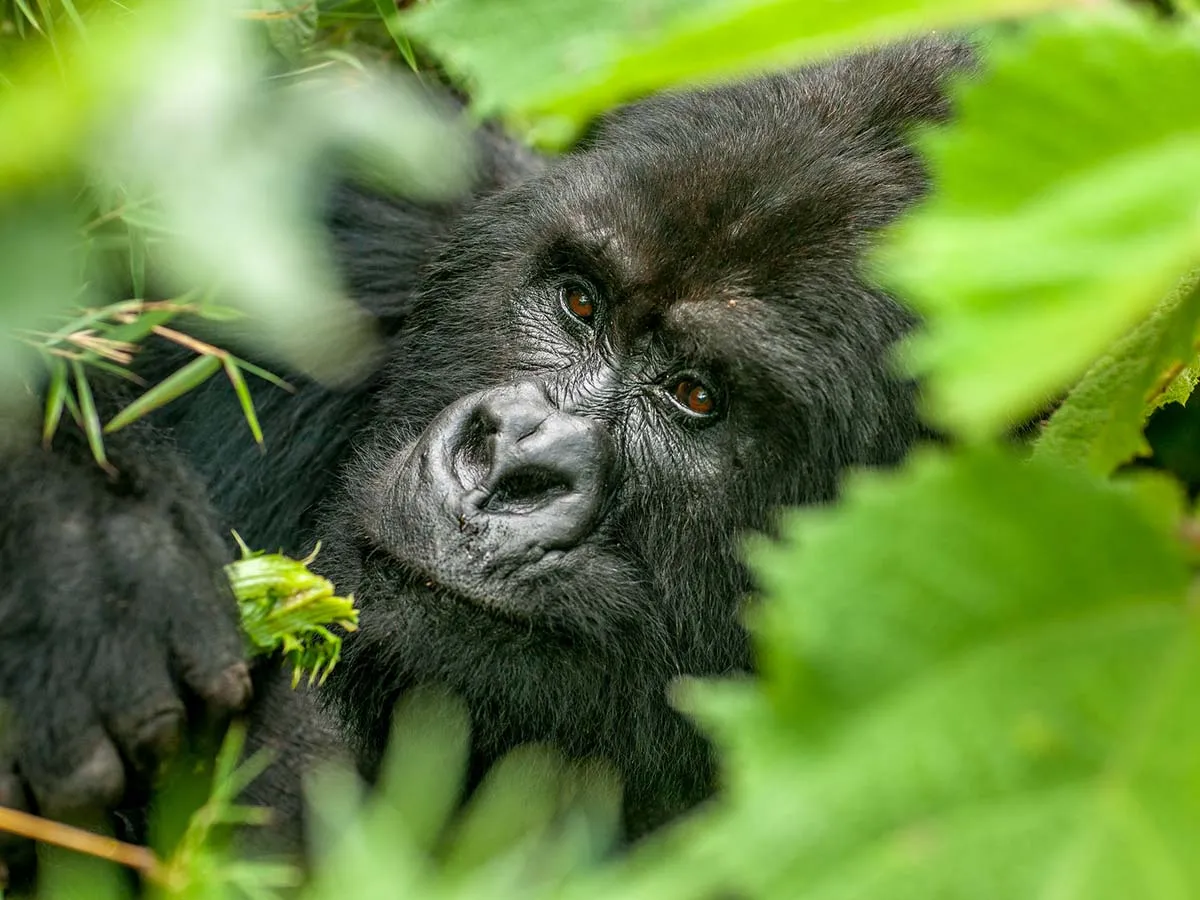
Yes. Gorilla trekking requires a government‑issued permit costing 700–800–1,500 (Uganda 800$,Rwanda1,500$, DRC 400).Chimpanzeepermitsarecheaper(400).Chimpanzeepermitsarecheaper(150–$250). Permits must be booked months in advance due to strict daily limits (e.g., 8 trekkers per gorilla group). Never attempt trekking without one.
7. How Much Does a Primate Safari Cost?
Full trips range from 2,000(budget,3days)∗∗to∗∗2,000(budget,3days)∗∗to∗∗15,000+ (luxury, 10+ days). Main costs: international flights, permits (biggest variable), lodging (50–50–1,000+/night), park fees, guides, and tips. Rwanda is most expensive; Uganda offers better value. A mid‑range 7‑day Uganda primate safari often totals 3,500–3,500–5,000 per person.
8. What Should I Pack for a Primate Safari?
Essentials: waterproof hiking boots, long trousers/sleeves (against stinging nettles), rain jacket, gloves, insect repellent, sunscreen, hat, daypack, camera without flash, binoculars, water purifier, and anti‑malaria meds. Neutral colours (green, brown) are best. Avoid bright clothing that might disturb primates.
9. Is Primate Trekking Dangerous?
Generally no, with well‑trained guides and habituated groups. Primates (especially gorillas) are peaceful unless threatened. Risks include slippery trails, nettles, minor insect bites, or very rare aggressive behaviour if you break rules (e.g., direct eye contact, sudden moves). Follow your guide’s commands; you’ll be safe.
10. What Is the Difference Between Gorilla Trekking and Chimpanzee Trekking?
Gorilla trekking is slower, shorter in distance (often 1–4 hours hiking), with one hour observing a sedentary family group. Chimpanzee trekking is faster‑paced, longer walking (up to 8 hours), and chimps move constantly—you experience dynamic feeding, grooming, or even hunting scenes. Both are thrilling but physically different.
11. Can I Combine a Primate Safari with a Traditional Wildlife Safari?
Absolutely. Most travellers combine a 3‑day gorilla/chimp trek with a 4‑7 day savanna safari (e.g., Queen Elizabeth or Murchison Falls in Uganda; Akagera in Rwanda). You’ll see the “Big Five” plus primates. Tour operators easily arrange fly‑drive or self‑drive combinations.
12. What Physical Fitness Level Is Required for Primate Safaris?
Moderate to high. Gorilla treks can involve 2–7 hours of uphill muddy hiking at altitudes of 2,500‑4,000m (8,000‑13,000ft). Chimpanzee treks demand stamina for steep slopes. Those with severe mobility issues should consider alternative tours (some lodges arrange sedan‑chair porters for an extra fee).
13. Are Primate Safaris Suitable for Children?
Most operators accept children 15+ for gorilla trekking (Rwanda requires 15; Uganda 15+). Some allow 12+ for chimpanzees. Younger children risk exhaustion and may disturb primates. Private habituation experiences may be more flexible. Always check permit age limits before booking.
14. What Vaccinations or Health Precautions Do I Need for a Primate Safari?
Required/strongly recommended: Yellow Fever (proof required), Hepatitis A/B, Typhoid, Tetanus, Polio, Rabies (optional but advised), and anti-malarials. Also bring a COVID‑19 vaccination card. For gorillas, maintain a 7‑metre distance (disease transmission risk). If you have a cold or flu, postpone your trek.
15. How Close Can You Get to Primates in the Wild?
Regulations enforce a 7‑metre (~23‑foot) distance from gorillas and chimps to prevent disease spread. However, primates sometimes approach closer on their own. You must not reach out or chase. For fully habituated groups, you’ll still enjoy intimate views without physical contact.
16. What Ethical Rules Should I Follow During Primate Trekking?
Adhere to the “No‑Touch, No‑Eye‑Contact, No‑Eating, No‑Flash” protocol. Turn away when sneezing/coughing. Limit time to exactly one hour. Never trek if unwell. Do not use flash photography or make sudden noises. Follow your guide’s “silence” hand signal. Ethical behaviour protects both you and the primates.
17. Do I Need a Guide for a Primate Safari?
Yes—and it is legally required in every national park. Trained rangers and trackers locate the primates using their knowledge of territories and feeding patterns. Guides also ensure your safety, interpret behaviour, and enforce conservation rules. A self‑guided primate trek is impossible and dangerous.
18. What Accommodation Types Are Available on Primate Safaris?
Options range from budget campsites (20/night)to∗∗mid‑rangelodges∗∗(20/night)to∗∗mid‑rangelodges∗∗(150‑300)and∗∗luxuryeco‑lodges∗∗(300)and∗∗luxuryeco‑lodges∗∗(800‑$1,500+). Many are set right on forest edges to minimise travel time. Examples: Sanctuary Gorilla Forest Camp (luxury, Uganda), Bisate Lodge (Rwanda), or volunteer guesthouses (budget).
19. How Do Primate Safaris Support Conservation Efforts?
Permit fees fund anti‑poaching patrols, habitat preservation, veterinary care, and community projects. A single gorilla permit can cover several hectares of protected forest. By visiting, you provide economic incentive to keep primates alive rather than converting land for agriculture or hunting. Many lodges also run reforestation and education programmes.
20. Which Country Is Cheapest for a Primate Safari?
Uganda offers the most affordable gorilla permits (700vs.700vs.1,500 in Rwanda) and lower daily costs for lodging and transport. DRC has cheaper permits ($400) but higher security and logistics risks. For chimpanzees, Uganda’s Kibale and Tanzania’s Mahale both provide good value, though Mahale requires a flight.
Final Checklist Before You Book
- Decide which primate(s) matter most.
- Compare permit prices and availability (book 6–12 months ahead for peak season).
- Check travel visas and Yellow Fever requirements.
- Book a reputable, eco‑certified tour operator.
- Get travel insurance covering medical evacuation and trip cancellation.
- Train physically (stairs, hill hikes) for at least 6 weeks before departure.
A primate safari is not merely a holiday—it is a privilege that directly supports conservation. With proper planning and respect for the rules, you will return with memories that forever change how you see our animal kin. Ready to trek? Start with your preferred destination’s park website to secure those permits.